1. The Problem of Directed Attention Fatigue (DAF)
In modern information-dense work environments, human attention is almost perpetually harnessed under what psychologists Stephen and Rachel Kaplan identified as Directed Attention. Concentrating on code repositories, analytical spreadsheets, or intricate layout wireframes requires the prefrontal cortex to continually suppress background distractions. After approximately 90 to 120 minutes of uninterrupted screen interaction, inhibitory neurotransmitters deplete, resulting in Directed Attention Fatigue (DAF). Symptoms include irritable decision fatigue, micro-headaches, elevated eye squinting, and steep drops in divergent creative problem-solving.
Kaplan’s Attention Restoration Theory (ART) posits that natural environments invoke "soft fascination"—a gentle, involuntary form of attention that allows executive cognitive control circuits to replenish without active expenditure of neural energy.
2. Why Bryophytes (Moss) Excel as Desktop Biophilic Anchors
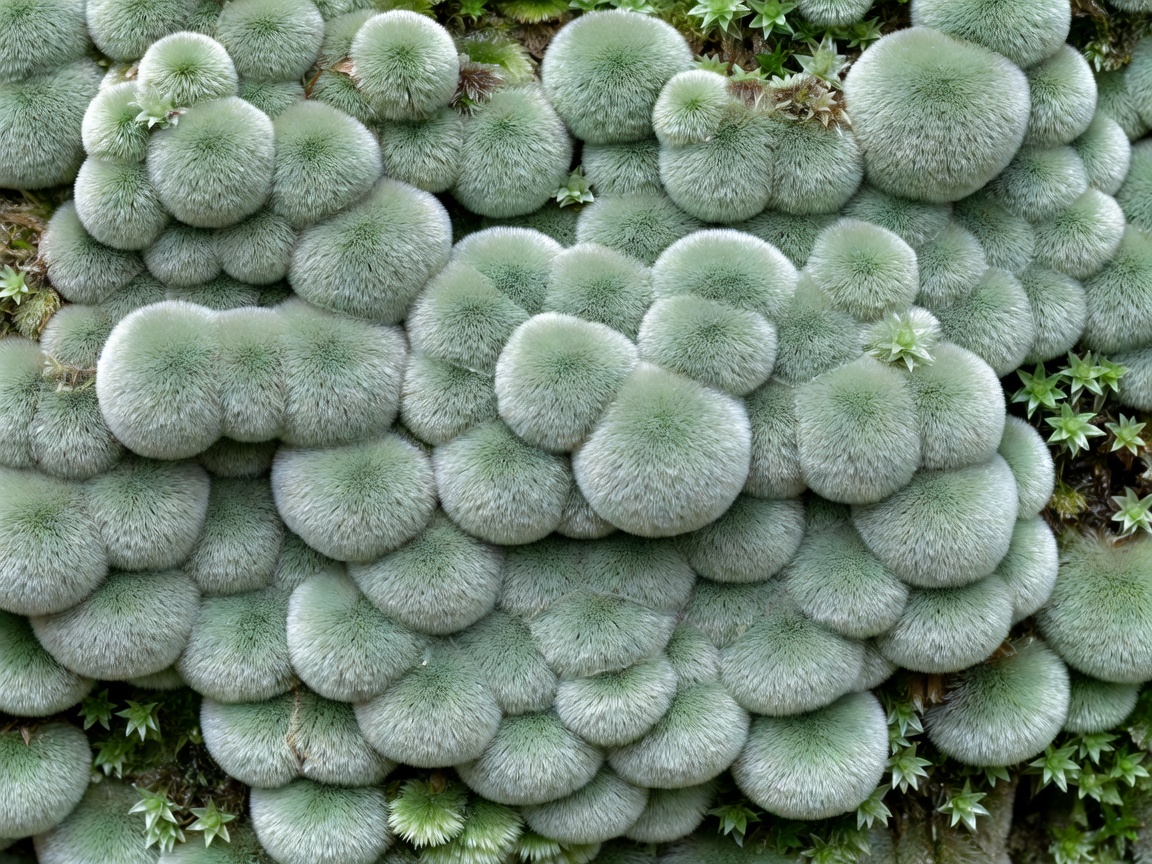
Unlike leafy flowering plants which undergo drastic pruning cycles and can look disordered on a minimalist desktop, temperate bryophytes (such as Leucobryum glaucum and Racopilum cuspidigerum) exhibit self-similar fractal geometry at scales between 0.2mm and 5cm. When a knowledge worker shifts their gaze from a 4K display to a MossPod for just 40 seconds:
- Pupillary Saccades Decelerate: Eye muscles relax from rigid planar focus to natural volumetric scanning.
- Parasympathetic Vagal Activation: Heart Rate Variability (HRV) studies show an 11% uptick in high-frequency power within 90 seconds of viewing true living moss.
- Zero Guilt Burden: Because the sub-irrigation wick maintains continuous capillary moisture, the plant does not exhibit yellowing leaves or drooping stalks, eliminating subconscious failure cues.
| Time Window | Target Spectrum | CRI Value | Biological Objective |
|---|---|---|---|
| 08:00 – 11:30 | 4800K Cool Dawn | 98.4 | Cortisol peak regulation; high blue/cyan photons wake circadian pacemakers. |
| 11:30 – 17:00 | 4100K Balanced Daylight | 98.1 | Sustained metabolic photosynthesis; balanced leaf stomatal vapor exchange. |
| 17:00 – 20:00 | 3200K Soft Transition | 97.9 | Suppression of ocular strain; progressive transition to twilight focus. |
| 20:00 – 23:00 | 2200K Amber Flame | 96.5 | Zero blue melatonin inhibition; preparing biological clock for restful delta sleep. |
3. Mechanical Isolation: The Acoustic Advantage
Conventional desktop hydroponics employ miniature electric impeller pumps that generate 28dB to 36dB of high-frequency motor whine. In an otherwise quiet home studio, this continuous background hum interferes with deep flow states. MossPod utilizes a proprietary zero-decibel sintered volcanic core. Moisture is pulled purely through capillary physics driven by atmospheric vapor deficits inside the fluted borosilicate dome.
By removing mechanical vibration and noise entirely, the MossPod functions as a silent sanctuary on the desk—anchoring your workspace in natural cycles of calm and vitality.
Capillary Sub-Hydration Physics
Explore the fluid mechanics behind sintered lava stone wicks and how they distribute 180ml of distilled water evenly across 30 days.
Read Fluid Mechanics Article →