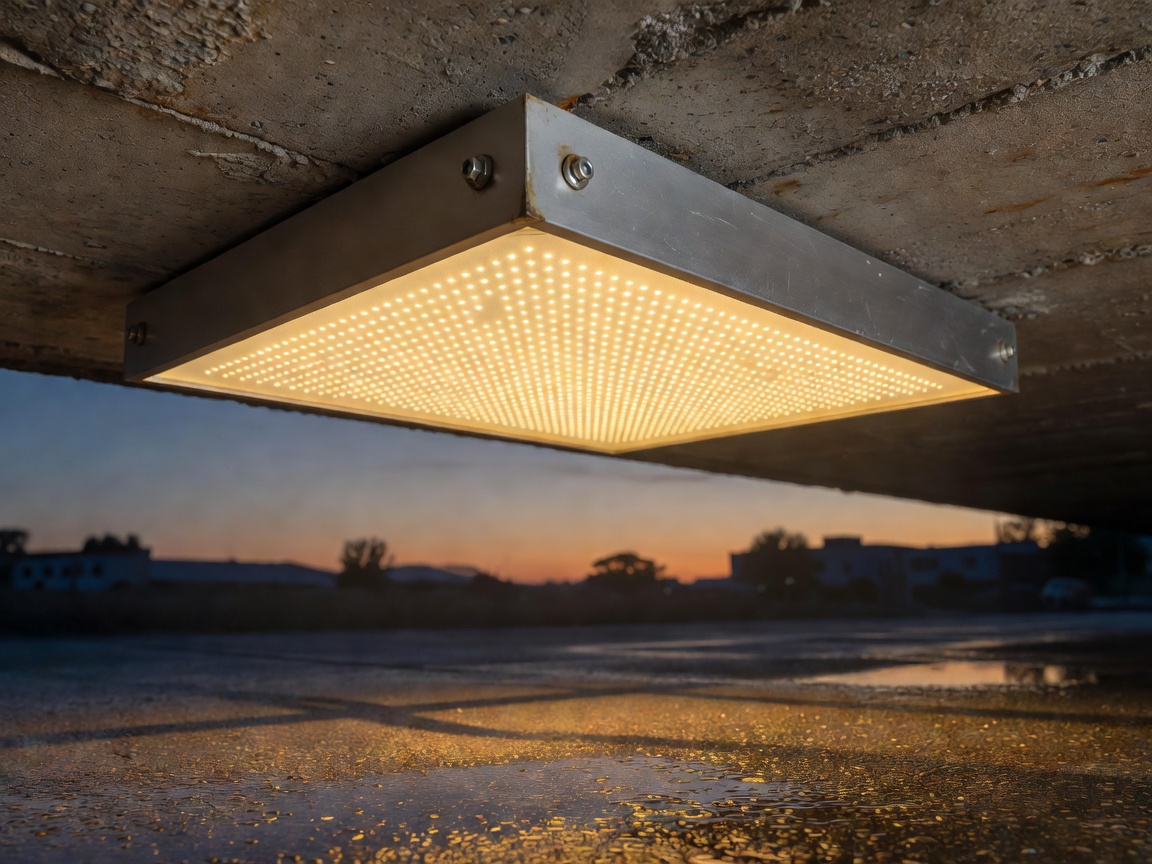
1. The Problem with Standard Grow Lights on Desks
Typical horticultural grow lamps use harsh "blurple" (pure 450nm blue + 660nm red) or intense high-lumen commercial white diodes. When placed on a desk next to monitors, these lights create severe visual glare, eye discomfort, and peripheral cognitive distraction. Furthermore, moss requires only a fraction of the photon intensity needed by flowering cannabis or tomato crops. Over-lighting living moss causes chlorophyll photoinhibition, bleaching the velvet green into pale yellow within 10 days.
2. Precision PPFD Tuning for Shade Bryophytes
MossPod is engineered specifically for shade-tolerant forest understory flora. Our 18-diode luminaire delivers a gentle, consistent Photosynthetic Photon Flux Density (PPFD) between 25 and 45 μmol/m²/s across the plant canopy.
| Spectral Channel | Wavelength Range | Diode Count | Photonic Purpose |
|---|---|---|---|
| Deep Chlorophyll 'a' | 660 nm | 4 Diodes | Drives fundamental bryophyte photosynthesis without generating excess heat. |
| Far-Red Extension | 730 nm | 2 Diodes | Triggers the Emerson enhancement effect, accelerating photosynthetic yield. |
| Circadian Broad-White | 400 – 700 nm (Full CRI 98) | 8 Diodes | Presents natural, museum-grade color rendering of the living moss texture. |
| Warm Melatonin-Safe Amber | 590 – 610 nm | 4 Diodes | Evening dusk glow that preserves human melatonin synthesis for restful sleep. |
3. Thermal Heat Management
Heat is the number one enemy of enclosed micro-terrariums. If the LED fixture heats the top air column by more than 3°C, the interior humidity cycle is disrupted. MossPod solves this with a solid CNC-machined aerospace aluminum bezel that acts as a silent heat sink, radiating trace warmth outward into the office room while maintaining an ideal 20°C–22°C interior chamber climate.
Circadian Photobiology & Desk Micro-Restoration
Examine how dawn and amber dusk transitions regulate cortisol and melatonin while maintaining deep work focus.
Read Photobiology Guide →